
ENHANCING
MOVEMENT
RESILIENCE
OPTIMISE MOVEMENT FOR LONGEVITY
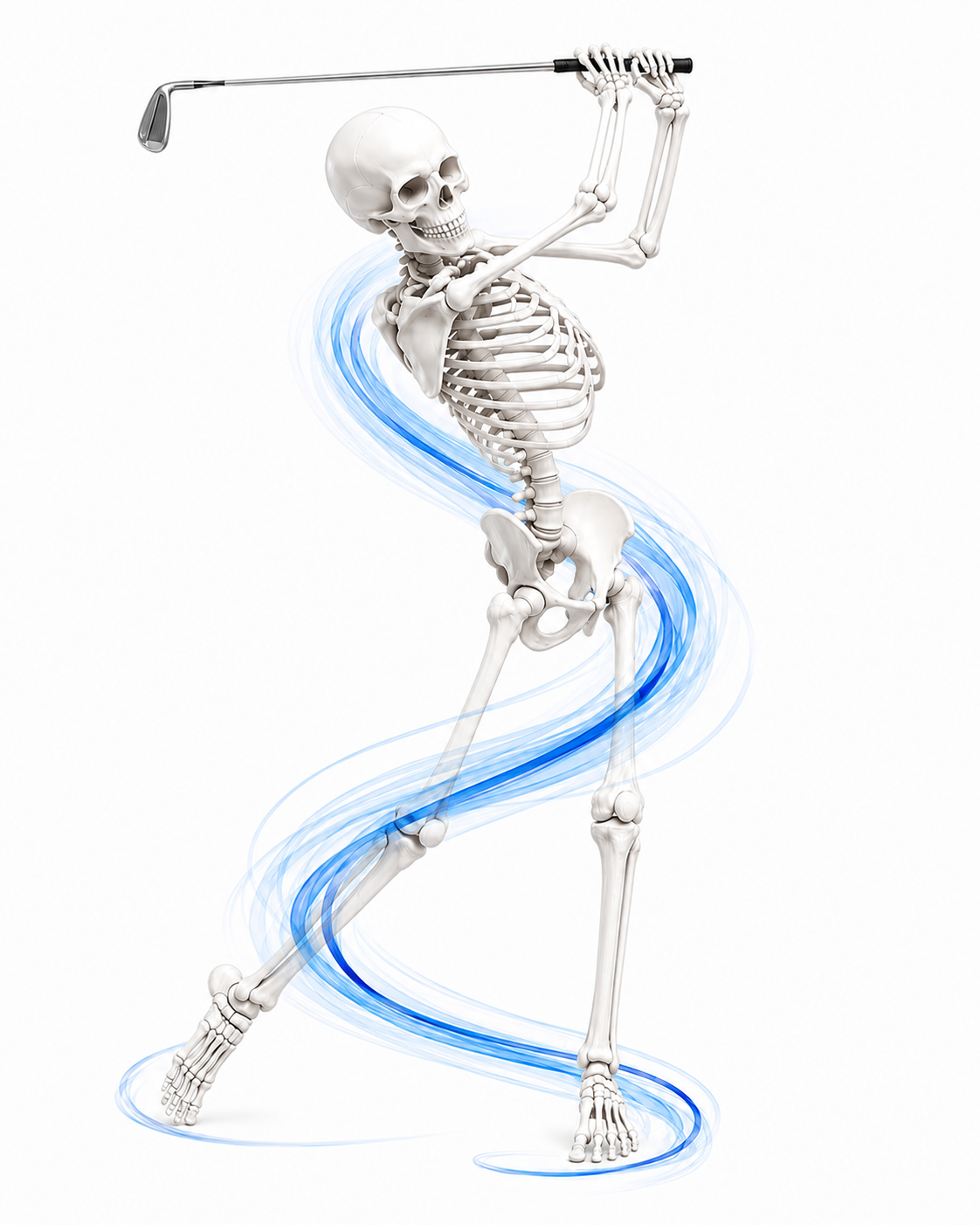
My approach to injury prevention is a bit different from traditional rehab or strength training. Instead of isolating muscles, I focus on restoring natural, three-dimensional movement through joints—especially the feet, which are the foundation of the whole body.
Here’s how that translates into preventing injuries:
1. Restoring natural joint motion (not just “strength”)
Many injuries aren’t just about weak muscles—they’re about joints not moving as they should. I look at how joints like the foot, ankle, knee, and hip are supposed to articulate in gait. When those motions are restored, forces distribute more evenly, reducing overload on specific tissues (like tendons or ligaments).
2. The foot as the starting point
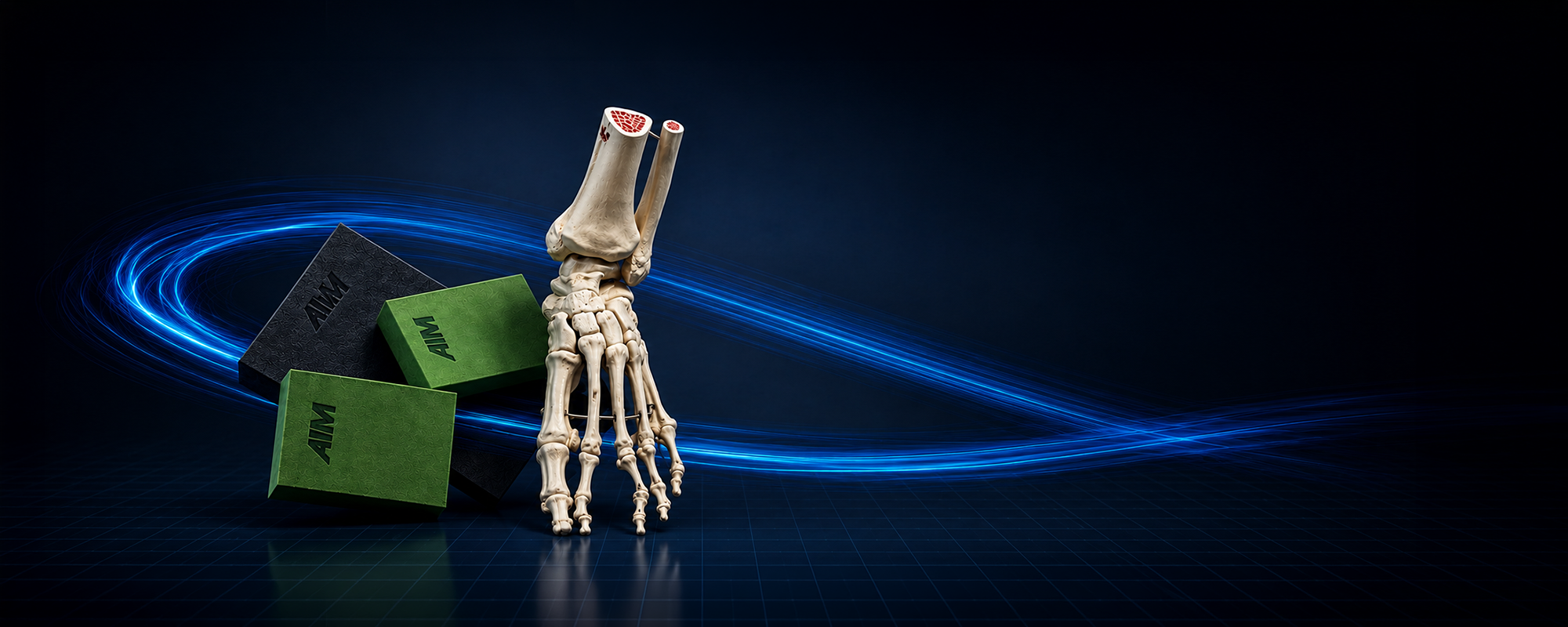
I place huge emphasis on foot mechanics. If your foot can’t pronate, supinate, or adapt to the ground properly, that restriction travels up the chain—affecting knees, hips, and even the spine. Improving foot mobility can offload chronic stress elsewhere, which is a big factor in overuse injuries.
3. Re-integrating movement patterns (especially walking)
Rather than training muscles in isolation, the system uses gait-based exercises. Walking is treated as a diagnostic and corrective tool. By refining how you walk, you’re effectively practicing better movement thousands of times a day—making injury prevention more “automatic.”
4. Addressing compensations
The body is great at finding workarounds, but those compensations often lead to pain over time. I identify where you’re compensating (e.g., avoiding ankle motion by twisting the knee) and restore the missing movement so the body doesn’t have to “cheat.”
5. Reducing repetitive strain
When movement options are limited, the same tissues get stressed repeatedly. By increasing variability and options in movement, load gets shared across more structures—lowering the risk of tendinopathies, stress injuries, and joint irritation.
6. Individualized rather than generic
It’s less about “everyone should squat like this” and more about how your body moves. That makes it particularly useful for people with recurring or stubborn injuries that haven’t responded to standard protocols.
Where it fits (and where it doesn’t):
It’s most useful for chronic issues, movement inefficiencies, and injury prevention. But it’s not a replacement for acute injury care, medical diagnosis, or progressive strength training—those still matter.